
Applications
Many of our customers are original equipment manufacturers (OEMs). They trust our custom flexible heaters to power their cutting-edge equipment across various industries, including food service, laboratory, medical, and security.
Our custom heaters are in an array of essential devices, such as:
- Credit card scanners – ensuring seamless transactions
- Gyroscopes and antennas – enabling precise navigation and communication
- Incubators – providing optimal environments for scientific research and medical care
- Vending machines – maintaining ideal temperatures for product storage.
Whether it’s enhancing efficiency, precision, or reliability, our flexible heaters are engineered to meet the demands of each application, empowering OEMs to deliver quality solutions to their customers.
Heated Food Display Cases
Restaurants, hotels, cafeterias, and businesses that serve food may keep it in display cases, cabinets, or rolling racks. These areas hold a specific temperature to keep meals warm. Keeping food at a safe temperature is one of the most critical factors. Letting food become cold can promote bacteria growth, which can cause sickness. There are other times when items must be at a specific temperature. For packaging, liquids must be at a particular temperature to prevent solidification.
Why are flexible heaters ideal for food service display casing?
Flexible heaters provide efficient heat transfer and even heat distribution. They contain conductive heat spreaders to ensure consistent temperatures across the product. The lightweight and bendable construction offers the ability to conform to any surface.
They’re also moisture-resistant, making them ideal for applications in the food industry. Electronics are sensitive to temperature and can suffer damage from exposure to moisture.
Outstanding thermal stability and durability mean there is less equipment downtime. Flexible heaters are cost-effective and last longer than traditional heaters. Flexible heaters are corrosion-resistant, which helps them withstand harsher applications. When bent, the conductor won’t crack or break, which is the leading cause of heater failures. Their small, lightweight design adds to the versatility. Because of their flexibility, they conform to the shape of most surfaces.
Consistent heat transfer
For the food industry, some products must be kept at a steady temperature. This can be a challenge. A small heating source can focus too much heat in a specific spot or not enough. Flexible heaters are small and thin. But they can still provide enough localized heat to maintain a constant temperature.
Flexible heaters offer consistent thermal transfer since they consist of etched foil elements. They also allow the user to differentiate heat along the application. Consistent thermal transfer ensures that the heater provides the right amount of heat. The heater can offer consistent heat distribution along curved or custom surfaces. It can be placed on drums with liquid food products, bins, and rolling racks.
Low outgassing
The materials in flexible heaters have low outgassing from heat and extended use. So, there will be no released gasses that may infiltrate the cabinet and impact the taste and quality.
Viscosity control
Food that travels through a processor, such as sauces, must stay at a specific viscosity to travel through pipes and dispensers. If the food cools, it may become too solid to flow, gumming up packaging systems. Kapton flexible heaters maintain the viscosity of the food for processing.
Maintains food quality
Temperature changes can affect food quality and texture. Fast food and banquet food may sit out for lengths of time before serving. The food must stay warm until the customer consumes it. This food can enter a “danger zone” between 41°F and 135°F. The FDA states that food should never be within this range for more than four hours. Flexible heaters may be placed into food trays or warming cabinets to maintain temperatures above this range.
Veterinary Equipment
The medical industry has long relied on flexible heaters to keep patients safe. Many of those same practices apply in veterinary medicine. Look at any veterinarian practice, and you’ll find flexible heaters. They’re built into equipment to keep pets comfortable while providing hydration or post-surgical recovery. Our design team will provide a customized prototype for testing and manufacturing.
Hi-Heat Industries manufactures flexible heaters for veterinary practices across the country. Whether you need a heater for IV warmers or a custom-fit heater for warming systems, you’ll find what you need.
We carry a range of flexible heaters that are ideal for veterinary applications. You can choose from polyester, polyimide, and silicone rubber flexible heaters.
Surgical recovery
Hyperthermia and hypothermia are both concerns with pets during and after treatment. Small animals are more vulnerable to hypothermia as they lose body heat. During and after surgery, veterinarians must compensate for that body heat loss.
After surgery, the recovery process starts with warming blankets or a heating pad. Each item has a built-in flexible heater to provide even, consistent heat. A professional remains beside the animal until they’re ready to go home.
During the recovery period, the pet must remain comfortable. Flex heaters keep pets at the right body temperature, called normothermia, after surgery. Normothermia prevents infection and keeps animals comfortable as they rest and recuperate.
Medical Equipment
The medical industry relies on a suite of solutions to diagnose and treat patients. Safety is a top priority, from surgical tools to lab equipment. Many processes need a precise temperature to protect patients, specimens, and equipment. That’s where a flexible heater comes in.
Hi-Heat clients use flexible heaters in operating rooms, labs, and other medical areas. Our custom heaters are versatile enough to work in various applications. Heaters can be fit for specific equipment or to maintain a particular temperature.
There are several types of medical heaters, so the first thing we do is determine your needs. After choosing the suitable material, we’ll recommend the best solution and fulfillment schedule.
Laboratory heating apparatuses
Heating apparatuses in laboratories aim to maintain equipment temperatures. Testing and research devices can be susceptible to temperature fluctuations and moisture.
Heaters keep condensation at bay. When the temperature of the equipment doesn’t match the room, condensation can result. That moisture can damage equipment parts, shortening their life and making results unreliable.
Some heaters warm specimens. Liquid, in particular, may need to be tested at a specific temperature.
When a professional takes a sample for testing, preservation is essential. It’s stored to ensure no contamination takes place, avoiding extreme temperatures. If the specimen needs to remain cool, it’s stored at the exact temperature to maintain its integrity.
Medical device heaters keep the sample at a specific temperature for lab specimens. Labs aren’t kept at the ideal temperature for every sample. Flex heaters allow technicians to keep each sample at its own required temperature. This helps avoid degradation of the sample, which can affect test results.
Test tubes play an important role, both in research and patient diagnosis. But test tube glass can be chilly, mainly if it’s been in a cold room. Additionally, some liquids must be at a specific temperature for testing purposes. Dedicated test tube heaters can come in small trays or block heaters. Block heaters have temperature settings to achieve and maintain specific temperatures.
During procedures, surgeons keep a variety of instruments on a tray within reach. Each instrument has to remain sterile and at a fixed temperature. Many trays are fitted with custom heaters to keep instruments at this temperature.
Heating IV solution or blood
IVs are an essential part of patient care. Dehydrated patients may need them to bring the body back to balance. Patients who lose significant blood may need an IV to treat them after an accident. IVs are also common in operating rooms to keep patients stable throughout a procedure.
Often, IV warming equipment contains flex heaters. They warm the liquid to a temperature compatible with the patient’s body temperature. If patients have lost blood, heat is essential. Blood infusions can cause hypothermia. But, fluids at the right temperature are less likely to be rejected.
In emergencies, it may be necessary to introduce a large amount of fluid to a patient. For this reason, flexible heaters must be able to heat liquid quickly and even.
Heating microscope bases
Since labs may vary in temperature, microscope bases often contain heating apparatuses. Flexible heaters can fit microscopes, including upright, inverted, and stereo.
Reliable temperature control is vital in any medical heating system. The heater also needs to be moisture- and impact-resistant.
As with other medical equipment, microscopes can be sensitive to moisture. A flexible heater can warm the base and keep internal components safe. This can extend the life of the microscope and ensure it works each time.
DNA analysis
Advancements in DNA have led to its use in a wide range of applications. Technicians collect and transfer samples to testing labs to test DNA. Any changes can cause contamination, so technicians must be careful when transferring.
DNA samples can’t be in extreme temperatures like other lab specimens. This starts with storage. Before and after analyzing the DNA, it must maintain its temperature in storage. Custom heaters may be fit into cabinetry that holds DNA specimens.
But, temperature is critical when technicians analyze DNA strands. Hi-Heat provides custom heaters for the thermal cyclers used to test DNA. Cyclers apply heat in pre-programmed steps to help with DNA sequencing. So, finding a custom heater that can heat to precise temperatures as needed is essential.
Surgical tables
In recent years, surgeons have realized the value of body temperature during procedures. This has caused a demand for heated surgical tables. These heaters need to distribute warmth across the patient’s entire body. Since some procedures take time, it needs to maintain that temperature.
Beaker heaters
Pharmaceuticals are often prepared in labs through the use of beakers. Technicians sometimes need to maintain fluids at precise temperatures when working with chemicals. Hi-Heat Industries creates flexible beaker heaters. These heaters need specialized sizing to fit.
Composite Manufacturing and Repairs
If you’re looking for a heater for your composite repair, look no further than Hi-Heat. We can manufacture a custom heater to suit your composite manufacturing and repairing needs, including your most complex curvatures.
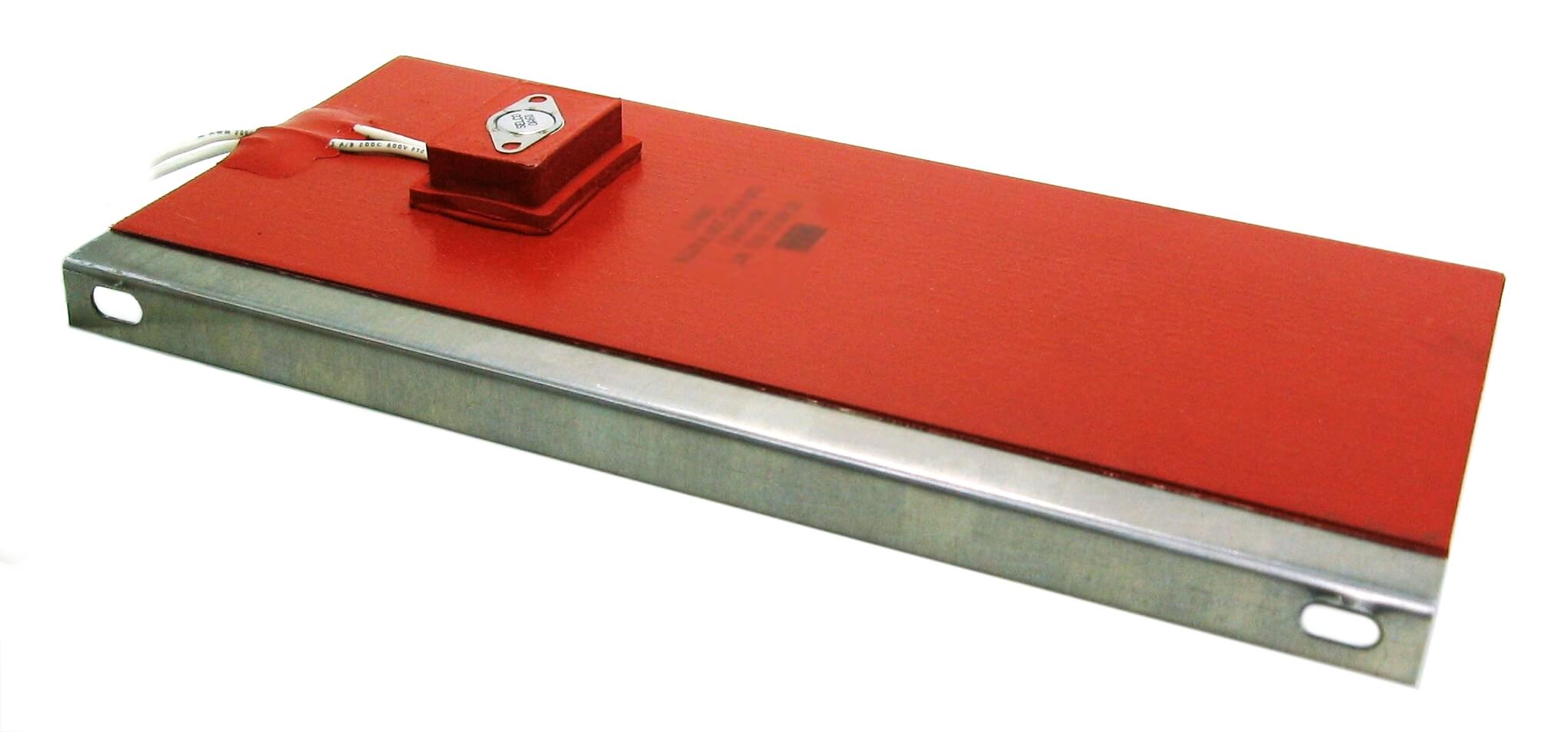
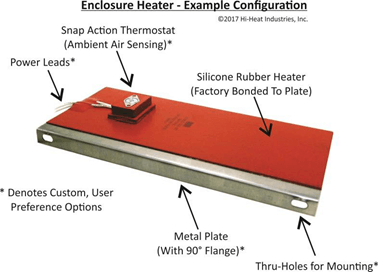
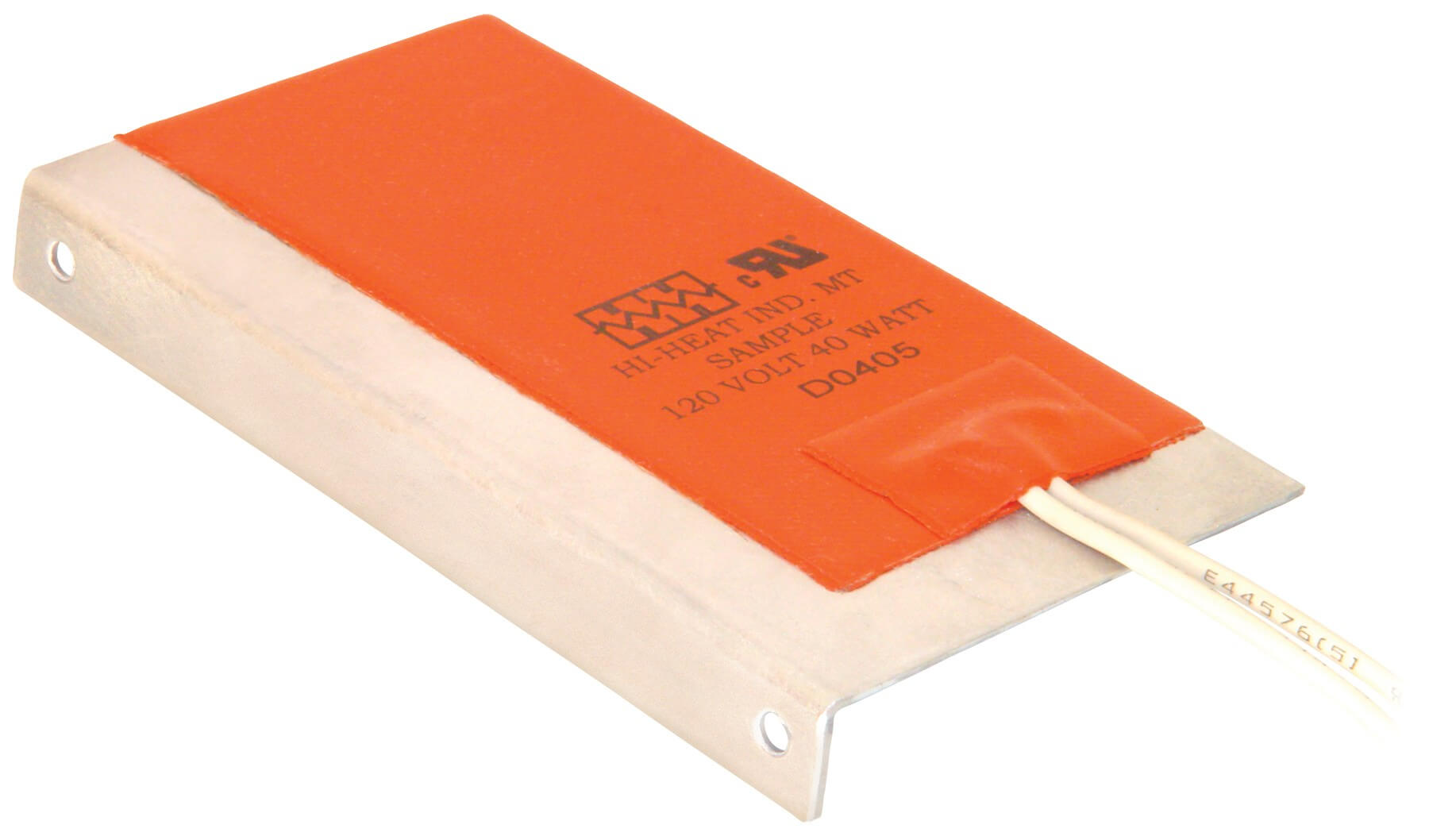
Enclosure Heaters
These units are necessary when freeze and condensation protection is required.
[more copy?]
Applications
Features
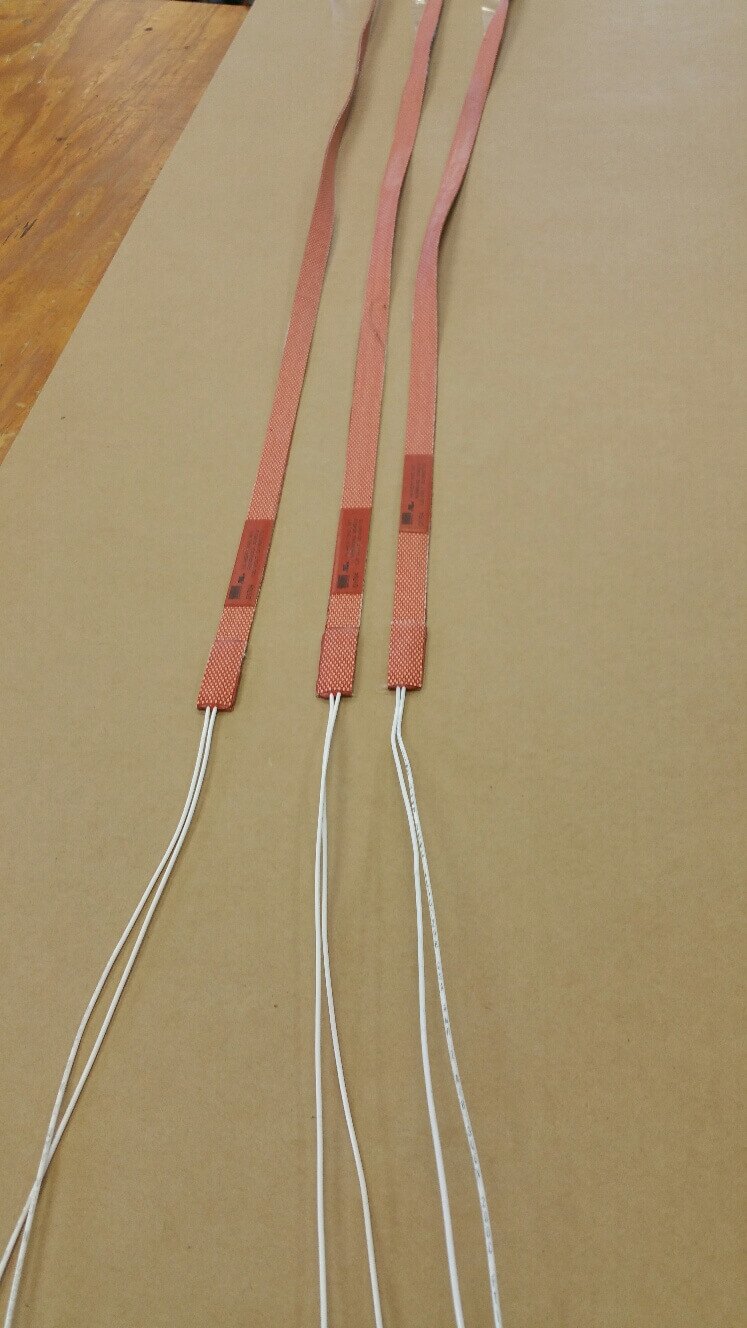
Heated Food Display Cases
These units are necessary to heat foods at safe temperatures.
[more copy?]

Options
Factory Specifications
OEMs Original Equipment Manufacturers
[more copy?]
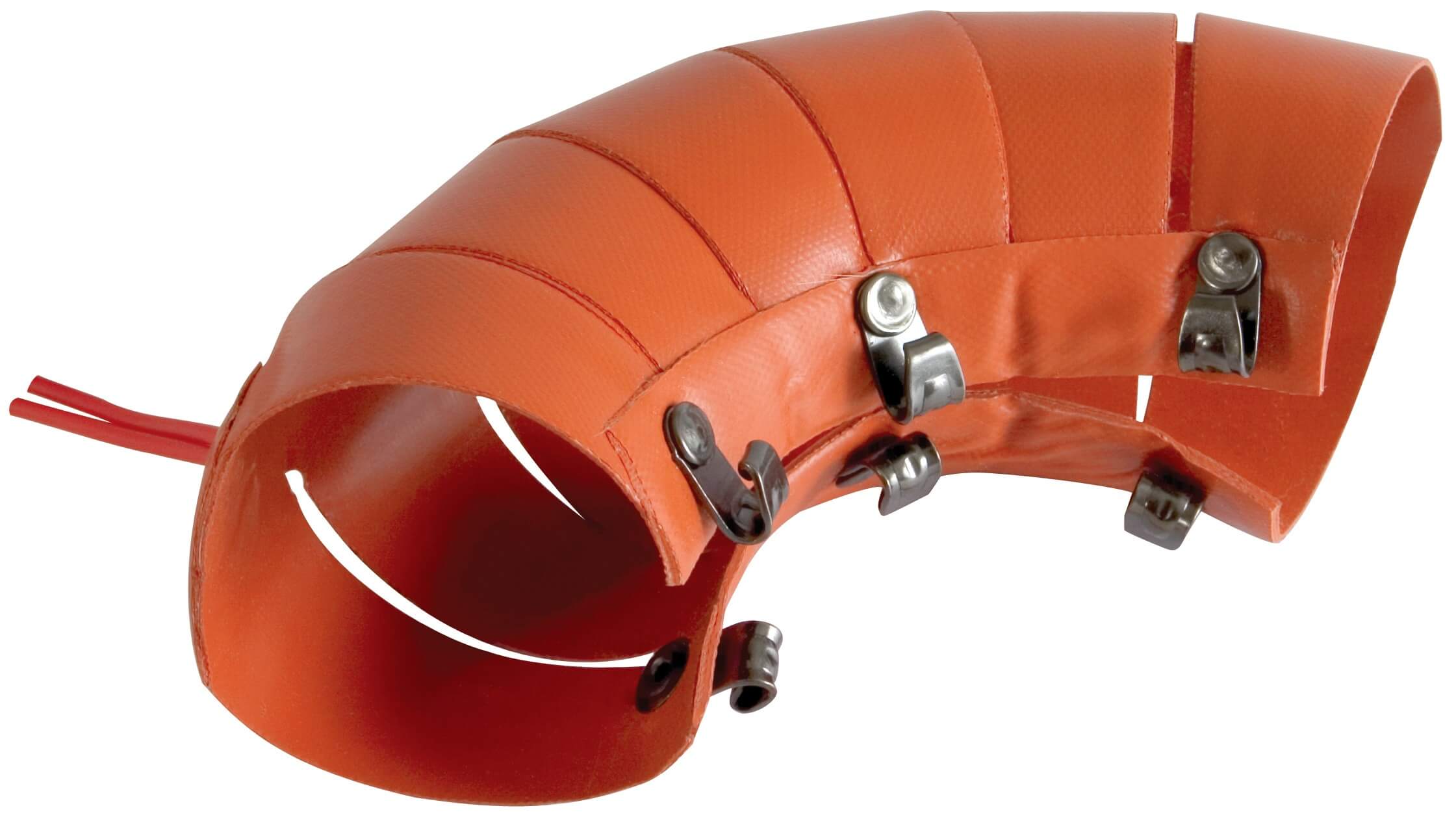
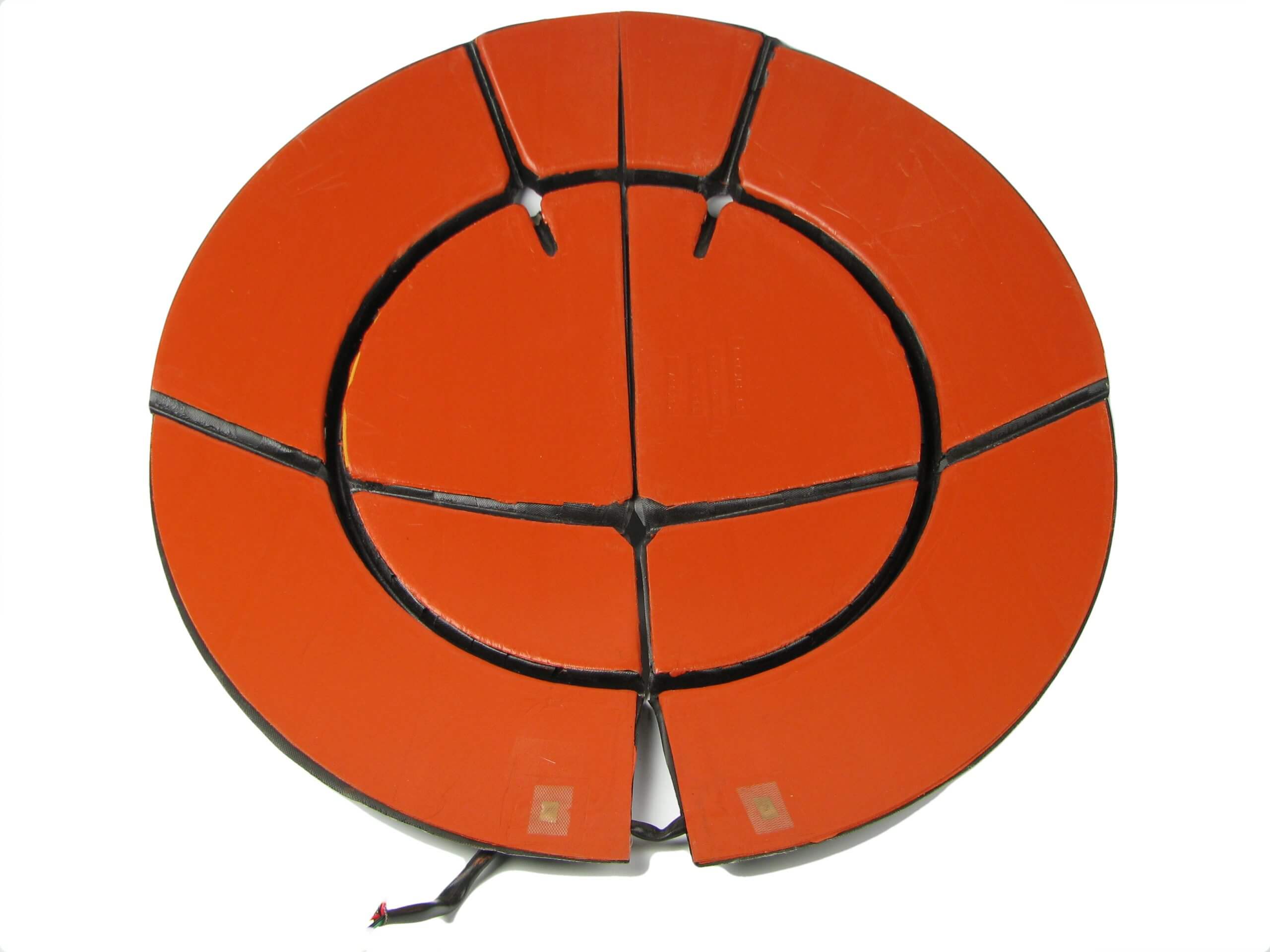
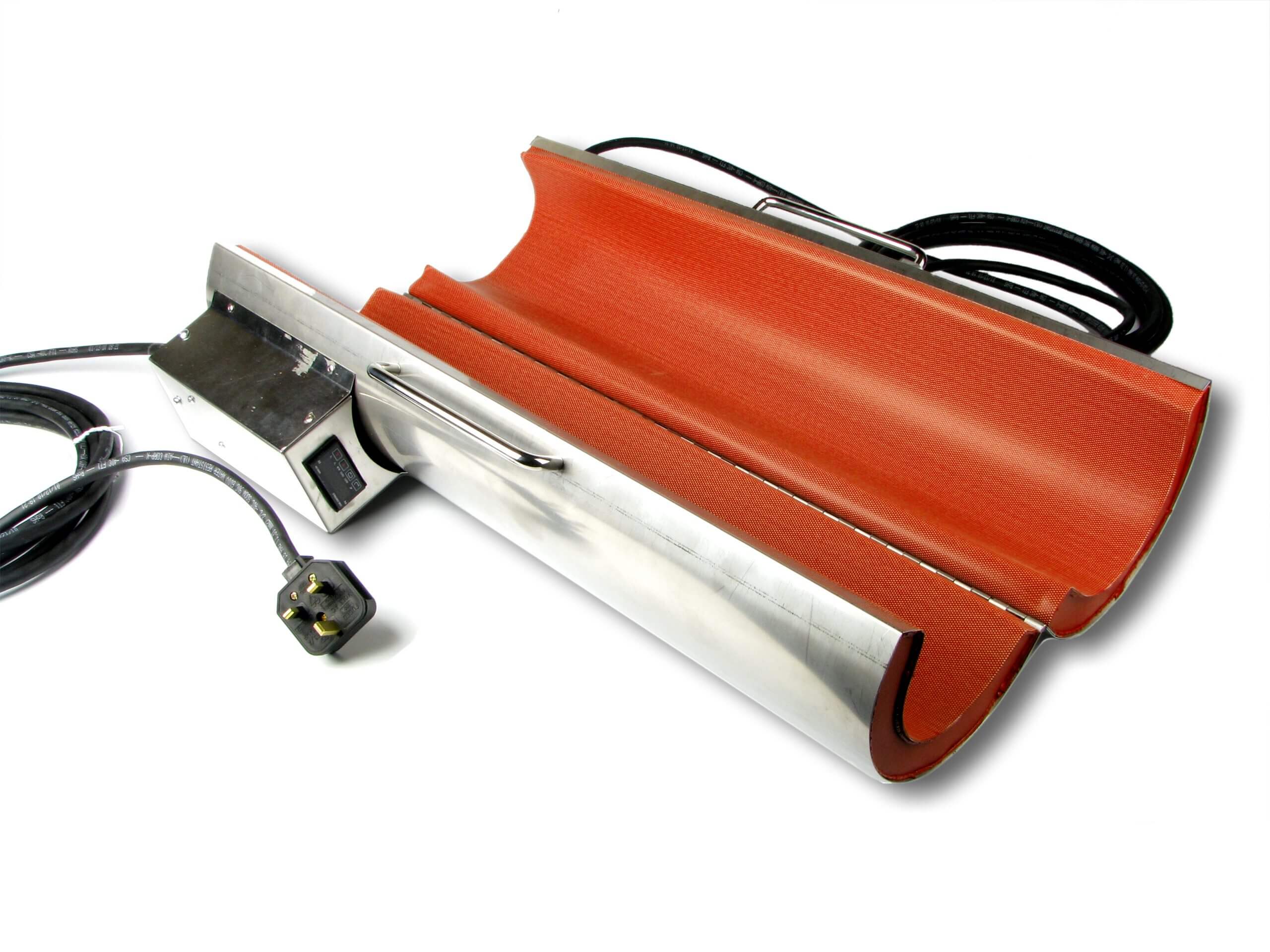
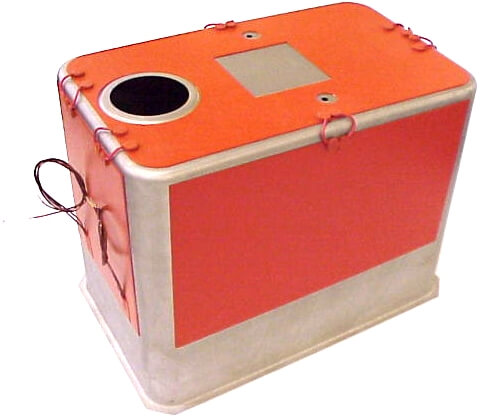
Silicone rubber heaters can be constructed to suit your application’s needs:
Veterinary Equipment
Let us help you keep your animals warm! Our design team will work with you and provide a customized prototype for testing and manufactured to fit your application.
[more copy?]
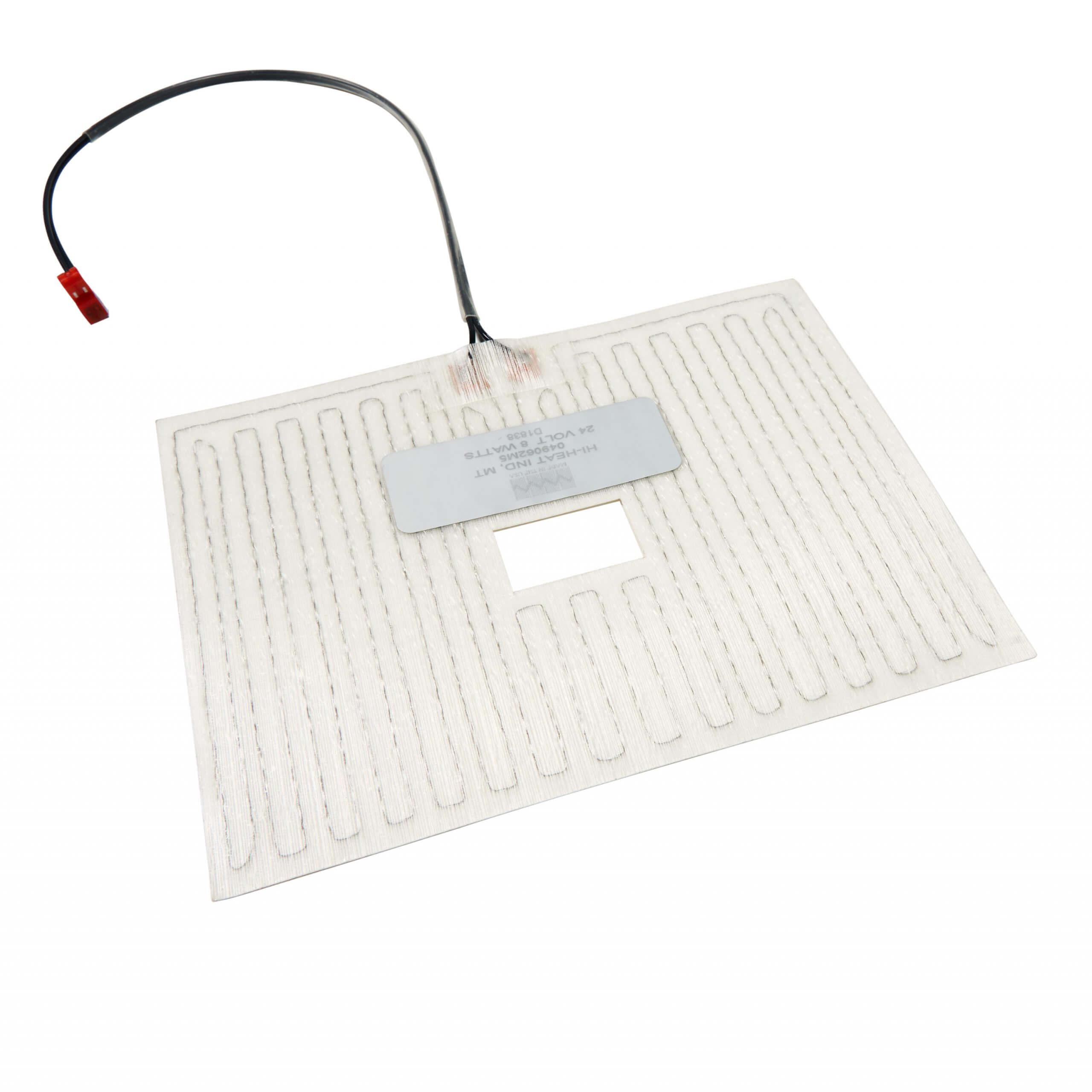
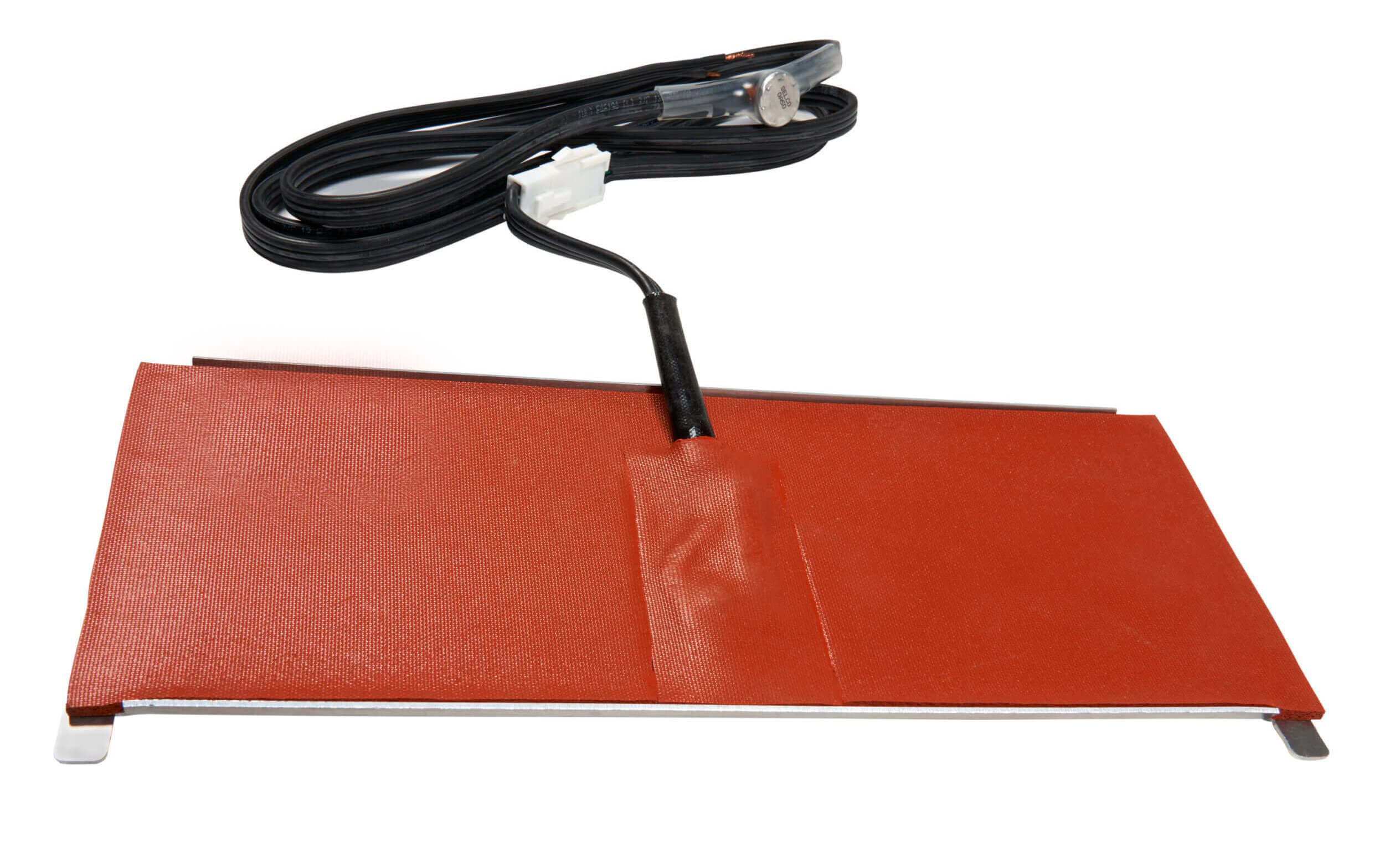
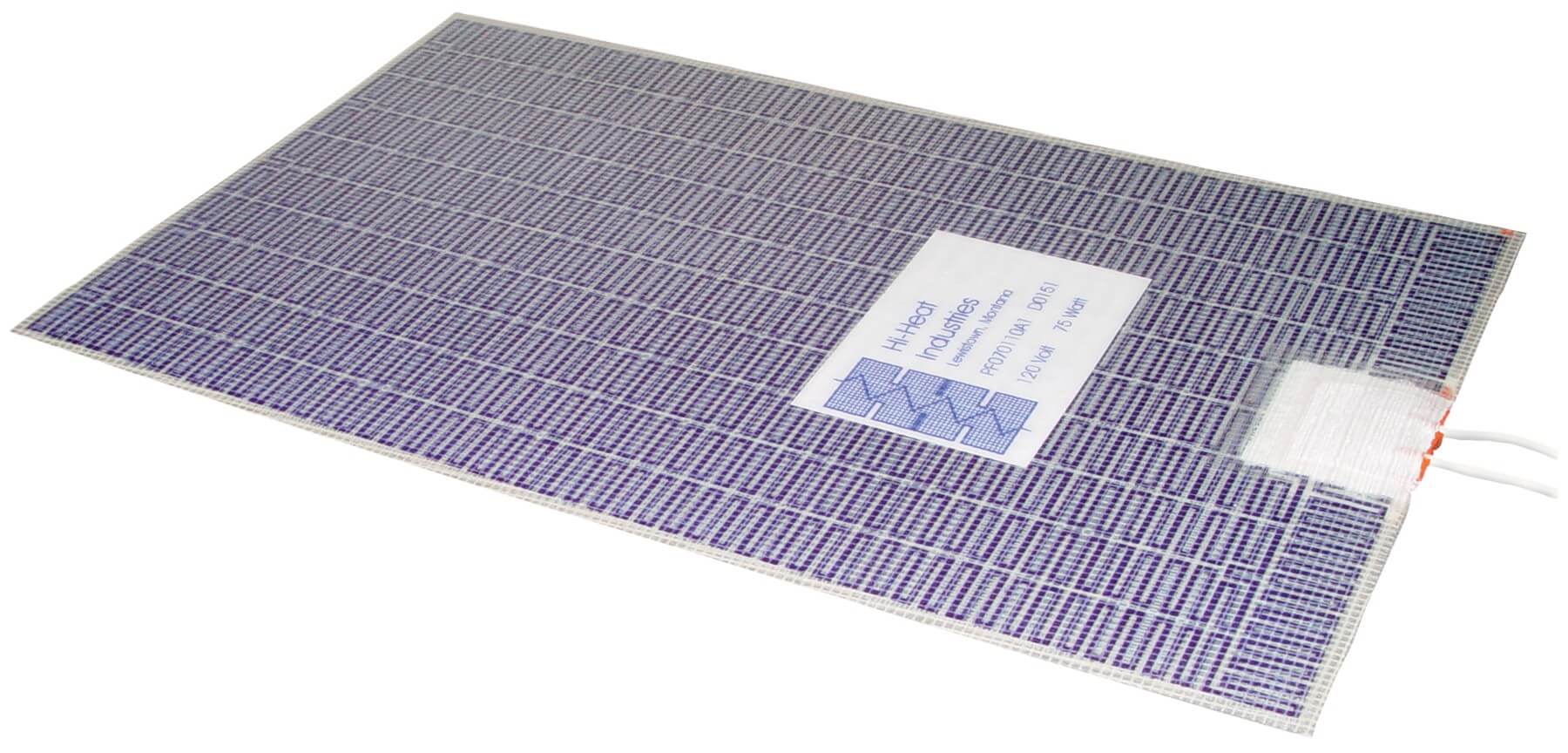
Polyester
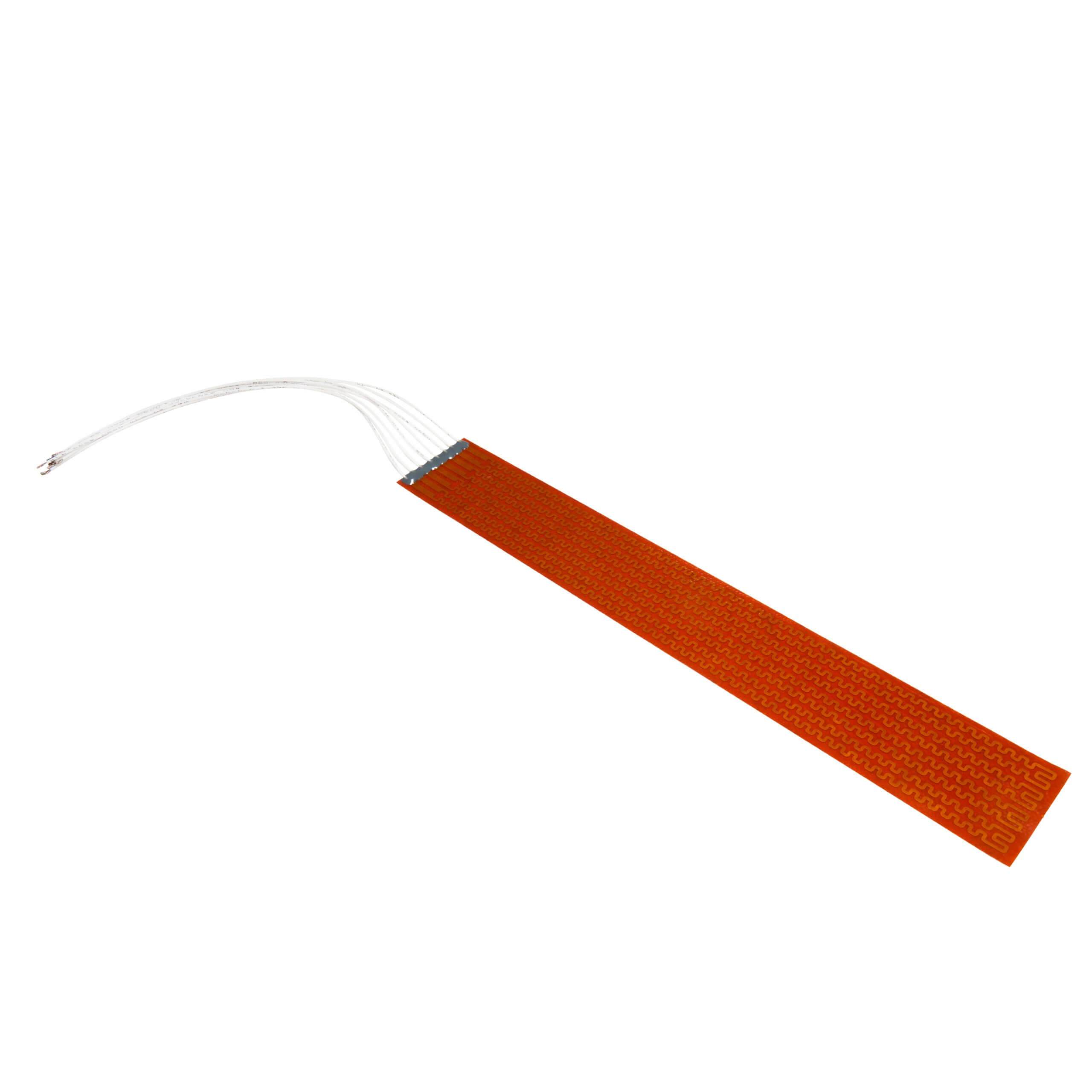
Polyimide (Kapton®)
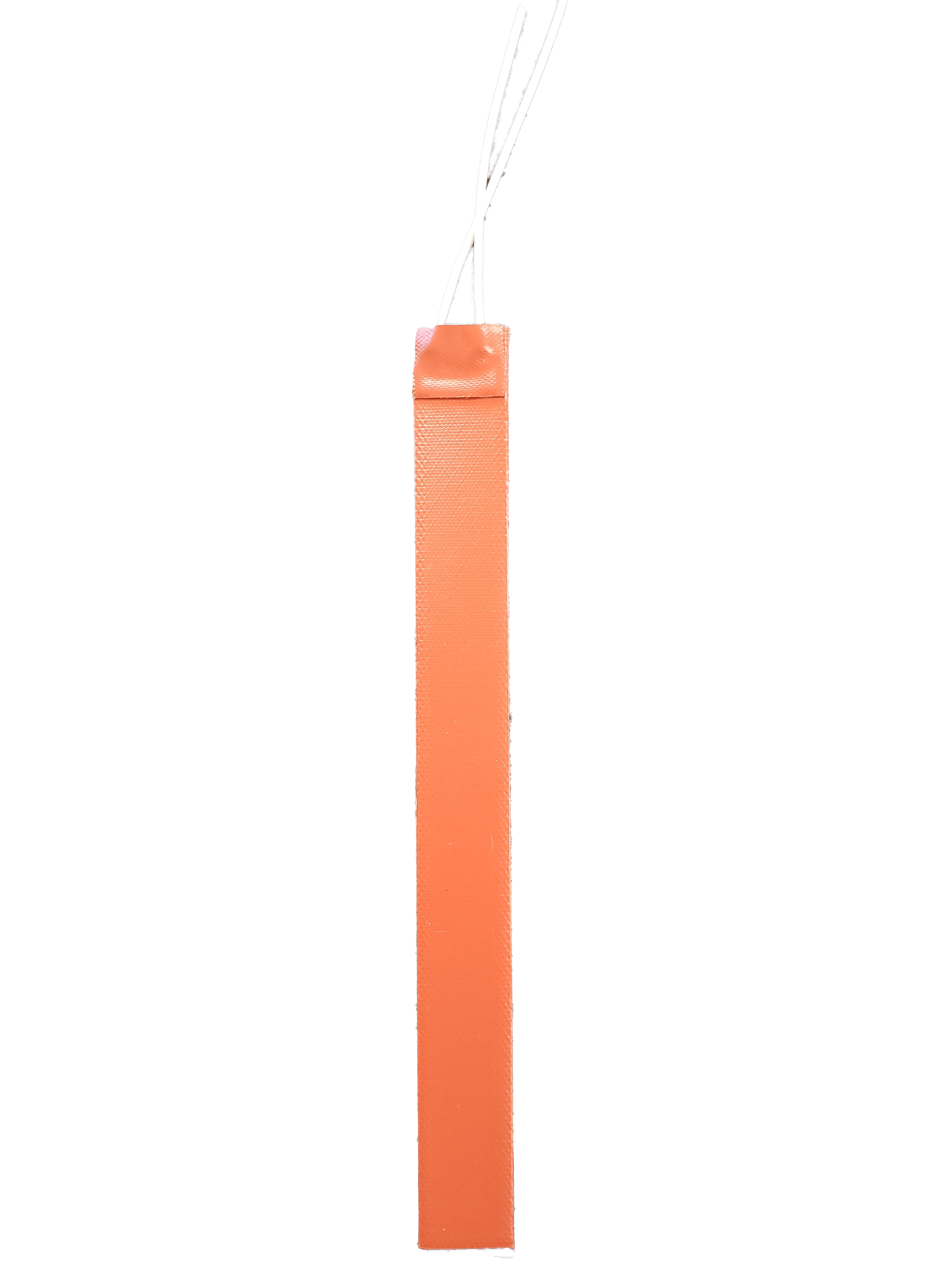
Silicone Rubber
Composite Manufacturing and Repairs
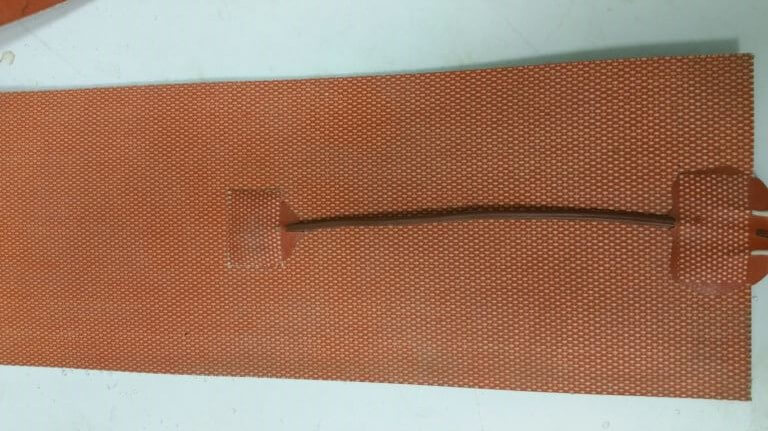
Flexible silicone rubber heaters for composite repair and self-heated tools.
If you’re looking for a heater for your composite repair, look no further than Hi-Heat. We can manufacture a custom heater to suit your composite manufacturing and repairing needs, including your most complex curvatures.
[more copy?]
Factory Specifications
Medical Equipment
Our heaters are versatile and can be customized to meet exact specifications for lab equipment or the operating room.
[more copy?]
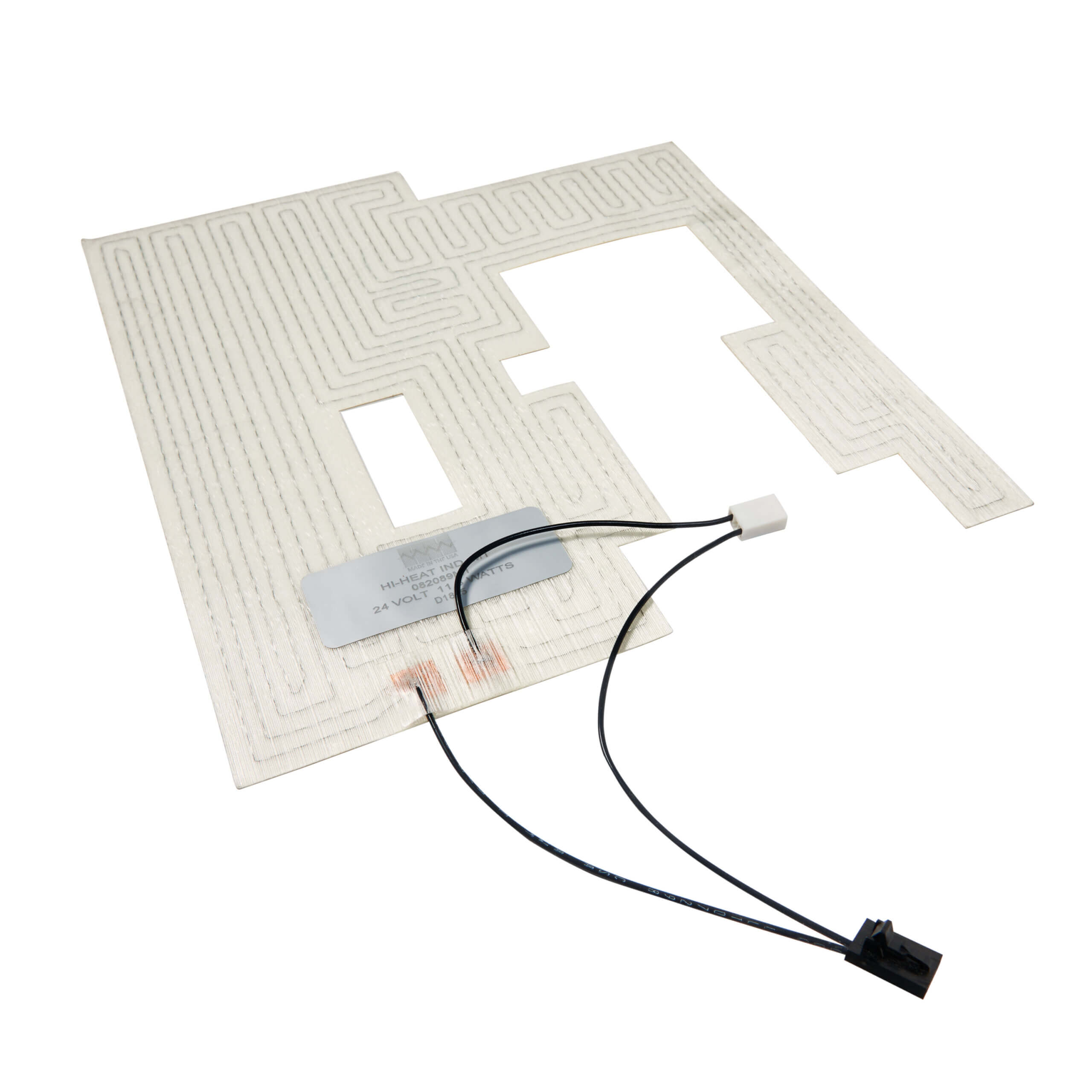
Polyester
Polyimide (Kapton®)
Silicone Rubber
Options
Telecom Cabinet Heaters
Battery heating for Telecom Cabinets and Traffic Controls
[more copy?]

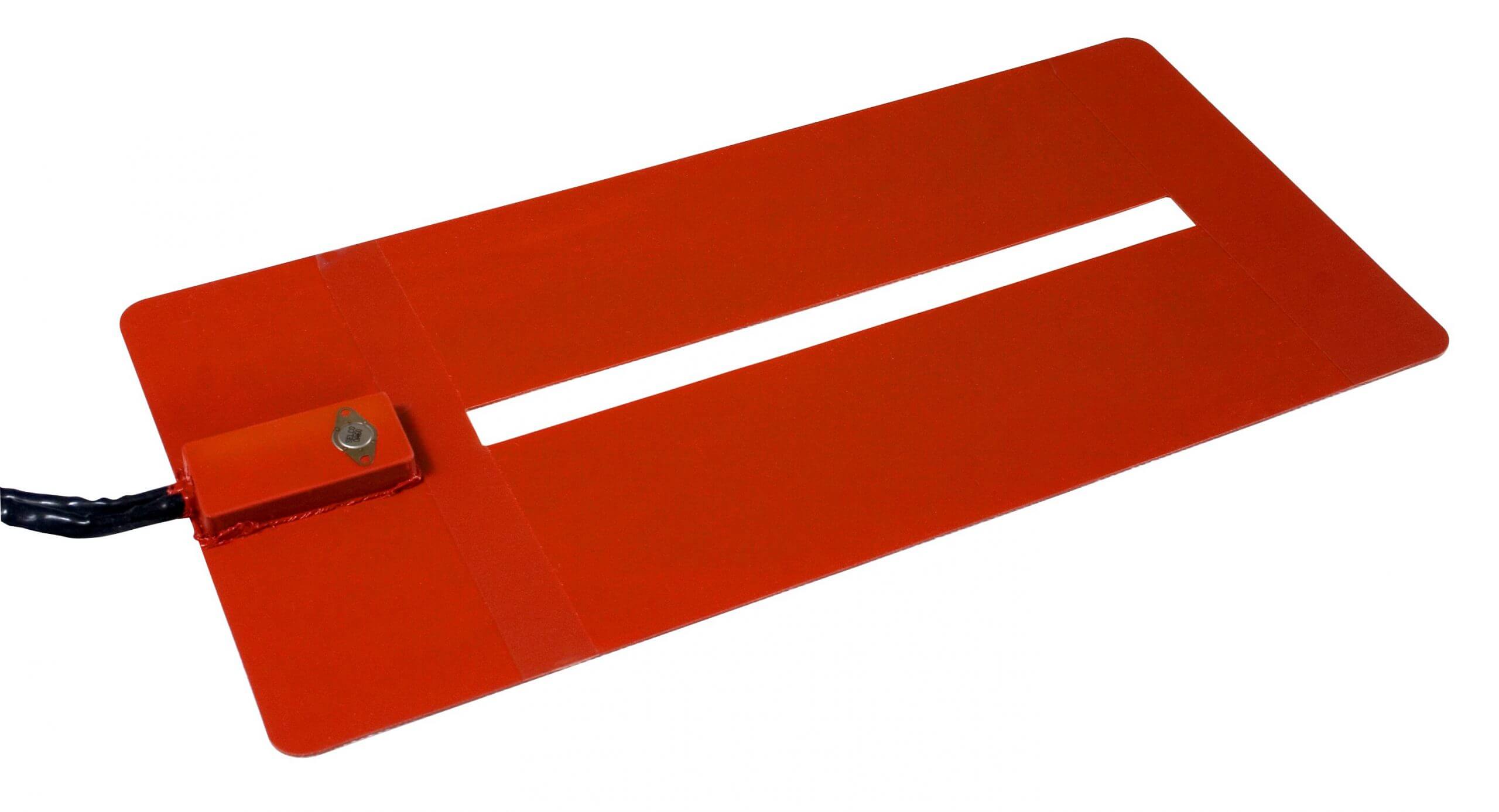
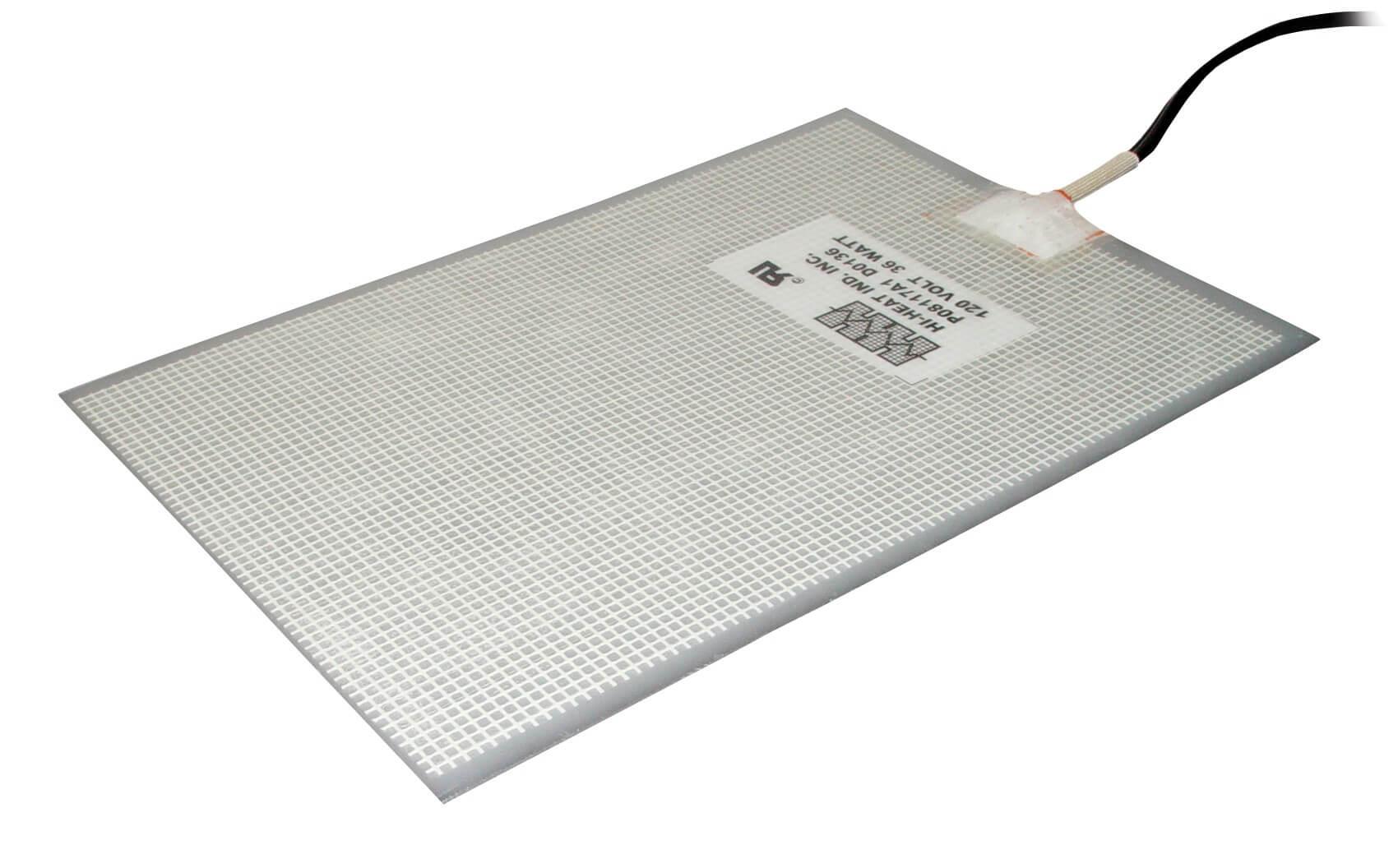
The polyester battery heater was developed by Hi-Heat Industries in 1993 as a lower cost alternative to silicone heaters.