Silicone Rubber Heaters: Benefits and Applications
 Hi-Heat Industries
What is a silicone rubber heater?
Few materials are as flexible as silicone rubber. We can shape the material in various ways to create the mold. There are two significant types of silicone rubber heaters: etched foil and wire-wound.

Etched foil silicone rubber heater
Nickel alloy foil offers consistent, steady heating in an ultra-thin profile. Designed for temperatures from -80°F to 500°F, this is a great option for complex temperatures.
Wire wound silicone rubber heater
For strength and flexibility, consider a wire-wound silicone rubber heater. It features wire spiraled in the center of fiberglass twine. This heater is easy to manufacture in small quantities, making it the best option if you aren’t ordering in bulk.
What are the benefits of a silicone rubber heater?
Today’s electronics need protection not only from extreme temperatures but also from moisture. That’s where silicone rubber heaters come in. The material is resistant to heat and moisture, making it perfect for some products. The thin profile allows it to slide into tight spaces.
There are many benefits to silicone rubber heaters, but they can be limited in size. Other heaters can do the job if you need to cover a large area. Silicone’s flexibility and resistance to the elements make it an excellent choice for many applications.

Silicone rubber heaters are resistant to:
Silicone rubber heaters are popular with manufacturers due to their moisture resistance. They keep damaging liquids away from sensitive components while the heater remains functional. That said, heat-resistant silicone rubber should not come in contact with water.
Silicone rubber heaters can withstand chemical exposure, which is handy in manufacturing environments. You won’t have to worry about scrapes and bumps, as rubber can withstand both. Rubber is also resistant to vibration and shock and can’t tear or rip, even with rough handling.
But silicone rubber heaters aren’t only resistant to direct exposure. Rubber heaters act as insulators against those risks, keeping internal components safe.
Silicone rubber heater specifications:
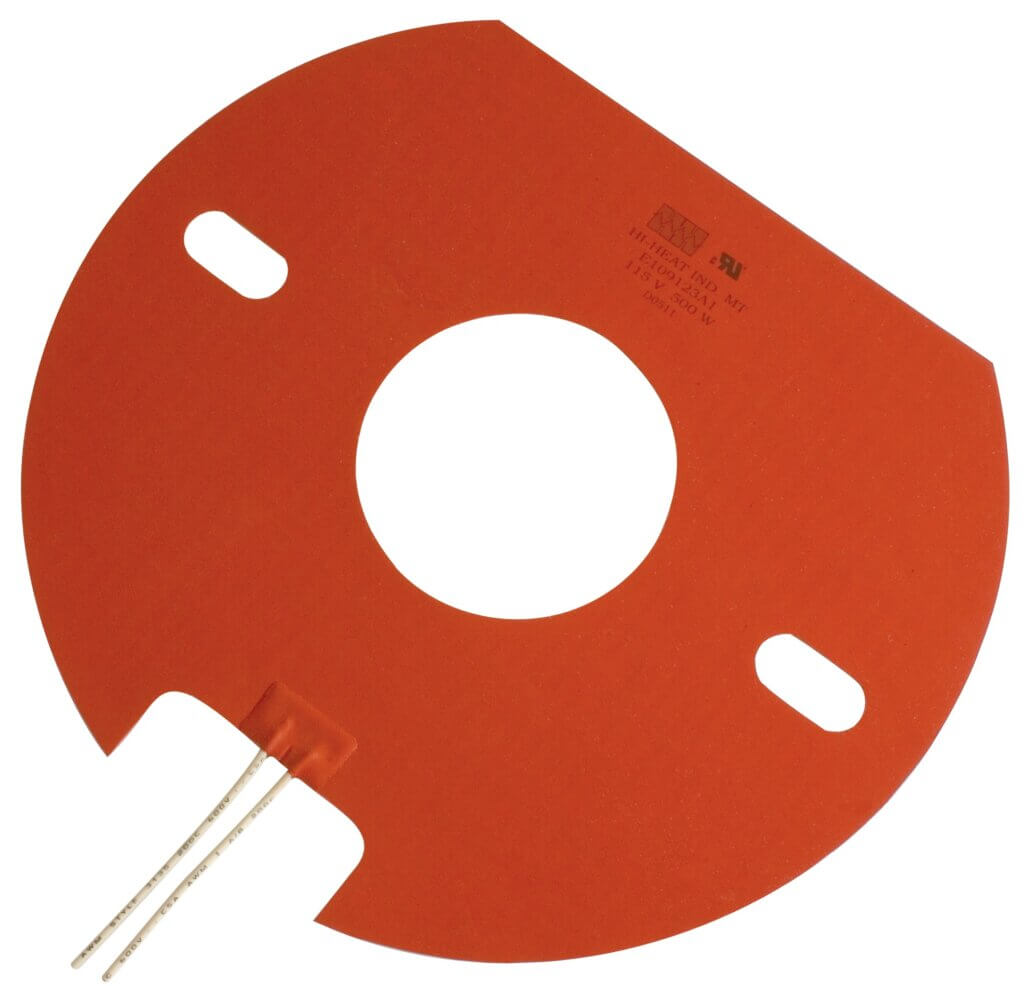
When you order a heat-resistant silicone rubber heater, you typically request a thin, flat shape that bends as needed. The heating elements are encased in rubber, sometimes with fiberglass reinforcements, and the elements themselves are made of either etched foil or wound wire.
Top-quality rubber heaters feature UL certification, stating they can maintain a maximum continuous operating temperature of 200°C (400°F). It’s also important to consider the power of your silicone rubber heater. This is measured in dielectric strength, with a high strength being around 400 to 600 volts per mil of thickness.
Silicone rubber heaters also have a low level of flammability, which is essential for those manufacturing electronics. Each silicone rubber heater should be rated for its horizontal burn level. This will be designated by the letters “UL” and “HB,” followed by a number.
Some optional add-ons can improve your rubber heater for your unique needs. A thermostat will help you monitor the internal temperature after installation, and thermocouples can provide additional heat control. Those can also be added if you need cords, plugs, or connectors to attach your heater during manufacturing.

Silicone rubber heater temperature controls and other options:
You can also choose some optional features when customizing a silicone rubber heater for your applications. One is a thermostat that can help you monitor the temperature. This can either be included as a part or as an air-sensing thermostat. Some thermocouples can take a silicone rubber heater temperature control to the next level.
If you’re purchasing flexible heaters for your manufacturing process, assembly is an important consideration. You can have your heater designed with adhesive backing, cords, plugs, connectors, and other options to make incorporating your heater into your components easier.
Silicone rubber heaters pack plenty of flexibility, but they can also be molded to a specific shape before they’re sent to you. This is an excellent option if you’re buying large quantities of the same type of heater to use now and well into the future.
Hi-Heat’s Custom Designed Silicone Rubber Heaters
Hi-Heat Industries offers custom-designed silicone rubber heaters for manufacturers across the country. Each customer has unique heating needs, so first, the team learns as much as possible about your needs. A solution will be designed that fits your production processes and heating needs.
But you don’t have to guess whether your heating element will work. Hi-Heat Industries can create a prototype you can test in your applications and tweak as needed. These are actual working prototypes, not mockups of the final product.
Hi-Heat can not only customize the design of your silicone rubber heater but also the quantity and frequency of manufacturing. Whether you only need a few heaters occasionally or you manufacture regularly, and in large numbers, our team can set up a production schedule that fits your needs. This can not only keep you well-stocked in heaters, but it can also eliminate the need to have dedicated storage space.
What are silicone rubber heaters used for?
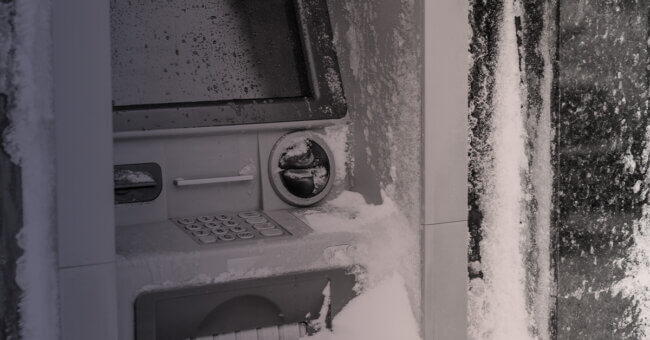
Thanks to their versatility, silicone rubber heaters are in various applications. Among the most interesting are ATMs and vending machines. Both equipment types must maintain a consistent temperature. Both machines can be in areas that expose them to the elements. But, even indoors, they must make it through power outages or HVAC equipment failures.
Silicone rubber heaters are also found in other food display cases. Vendors use these cases to keep food warm. You might find one in a grocery store or convenience mart. Employees keep food warm for hours, letting customers grab items at their leisure.
But ATM and vending machine heaters and those in display cases differ. The latter aims to maintain food warmth to a precise temperature over time. The former protects the sensitive internal components of the equipment against the elements. So, a lower temperature will suffice.
Silicone rubber heaters also protect components from moisture. It acts as an insulator, resisting condensation and moisture to keep components dry. This applies to the above-mentioned equipment but can also benefit technology, such as printers, semiconductors, and photo processors. Thus, manufacturers must specify the heater’s use to ensure it meets their needs.
The medical field also uses equipment that demands heaters. Moisture resistance and temperature regulation apply, but the medical industry must also regulate the temperature of certain liquids and chemicals. Flexible heaters maintain consistent temperatures in blood analyzers, hydrotherapy units, and liquid reservoirs.
Custom silicone rubber heaters for OEMs
Original equipment manufacturers (OEMs) supply parts to other companies. A heater will protect your components with moisture resistance and temperature consistency.
We can customize silicone rubber heaters for your OEM parts. We’ll develop a design that you can fit to your components, including the connectors you need. If you’d like the heater vulcanized to your part, we can ship you the component ready to distribute to manufacturers.
Industrial silicone heaters for veterinary equipment
Hi-Heat’s industrial silicone heaters are used in veterinary practices in two ways. One is to keep the animals warm. During and after surgery, body temperature regulation is necessary. Anesthesia can challenge that regulation, so many vet products have built-in flexible heaters.
As with human patients, animals often need fluid transfusions or IV medication. Flexible heaters bring the fluid to a comfortable temperature throughout the administration.
Flexible heaters are also used in the equipment used to treat and diagnose pets. These heaters reduce moisture and keep the equipment operating at a safe temperature. When veterinarians are sure their equipment is operating, they can focus on the task.
Silicone rubber flexible heaters for composite repair and manufacturing
Consider how durable silicone heaters are. Our silicone rubber flexible heaters strengthen everything from windmills to planes. The water resistance and strength make it a great addition to even heavy-duty parts.
But silicone rubber heaters can also be fit for composite manufacturing. We can customize a heater if you work with open, closed, or cast polymer molding. We even tackle complicated curvatures, creating solutions for your manufacturing processes.
Our composite heaters maintain a continuous temperature of up to 400° Fahrenheit. We can incorporate thermocouples into the design and set up a shipment schedule.
High-quality silicone rubber heaters for medical equipment
Medical facilities have various equipment designed to diagnose and treat patients. Patient health calls for a quality heater to keep equipment running.
Hi-Heat offers a variety of heaters for medical equipment. But when you need a flexible option, silicone rubber is the best choice. These UL-recognized heaters can maintain a temperature of 200°C (400°F), making them ideal for liquid reservoirs and refrigeration equipment.
Not only can we customize heater size, but we can also add fasteners to make installation easier. Thermostats and thermocouples are also optional and provide control over the temperature inside your equipment.
Silicone rubber heaters are flexible, heat-resistant, and versatile. Explore our custom design and prototyping to see how we can put the heat on for your unique product. We can’t wait to help make your project come to life!