7 Factors to Consider When Working With Silicone Rubber Heaters
 Hi-Heat Industries
Silicone rubber heaters are extremely versatile and are used in a wide range of applications across various industries ranging from ATMs, medical, automotive, food service equipment, aviation, industrial and more, due to their flexibility, efficiency, and robust temperature handling capabilities.
When working with silicone heaters, it’s essential that these factors be considered to ensure their effective and safe use:
1. Temperature Specifications
Silicone rubber heaters are designed to handle a wide range of temperatures, typically operating up to 200°C (392°F) continuously, with capabilities to withstand intermittent spikes up to 316°C (600°F). They remain flexible in extreme cold as low as -57°C (-70°F).
2. Dielectric Strength and Safety Ratings
These heaters offer high dielectric strength, typically between 400 to 600 volts per mil, and have flammability ratings that ensure safe operation in various environments.
3. Environmental Resistance
Silicone rubber heaters resist various environmental stressors, including ozone, moisture, and certain chemicals, making them robust for harsh conditions. They are also designed to withstand vibration, mechanical, and thermal shocks, as well as ripping and stretching, which is crucial for industrial applications.

4. Customization and Versatility
Silicone rubber heaters can be tailored for specific applications, with options for molding to shape, integration of thermostats or thermocouples for temperature control, and various bonding methods like vulcanization and pressure-sensitive adhesives to ensure secure attachment and optimal heat transfer.
5. Heating Technology
Silicone rubber heaters can be manufactured with either wire-wound or etched-foil heating elements. Etched foil heaters are known for providing superior heat transfer and uniform heat distribution, which is beneficial for applications requiring precise temperature control.
6. Installation and Maintenance
Installation ease is significant, with options like factory bonding, adhesives, or mechanical fasteners to secure heaters to various surfaces and equipment. Considering the specific installation method is crucial for maintaining performance and longevity.
7. Application Specifics and Requirements
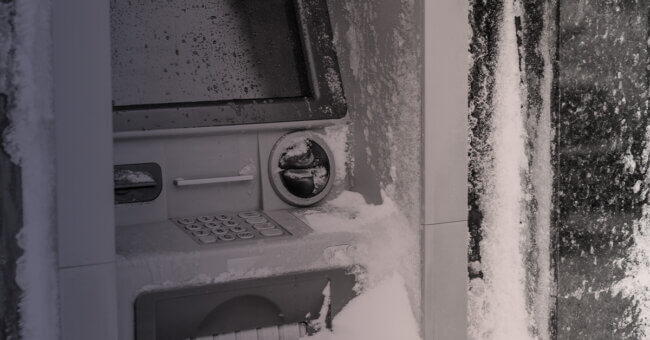
Understanding the specific needs of your application is essential, whether it’s for moisture protection in ATMs and vending machines or precise temperature control in lyophilizers, medical devices and food service equipment. Silicone rubber heaters are widely used due to their ability to meet diverse requirements.
Silicone rubber heaters are known for their durability and flexibility, but they do come with certain limitations that might affect their suitability for specific applications. That’s why it’s essential to select an experienced vendor with a proven track record, supurb craftsmanship, and a commitment to providing a quality product on time, every time.
If you’re looking for help with a silicone heater project, Hi-Heat can help. Contact us today to get a free consultation and learn how we can help you.